
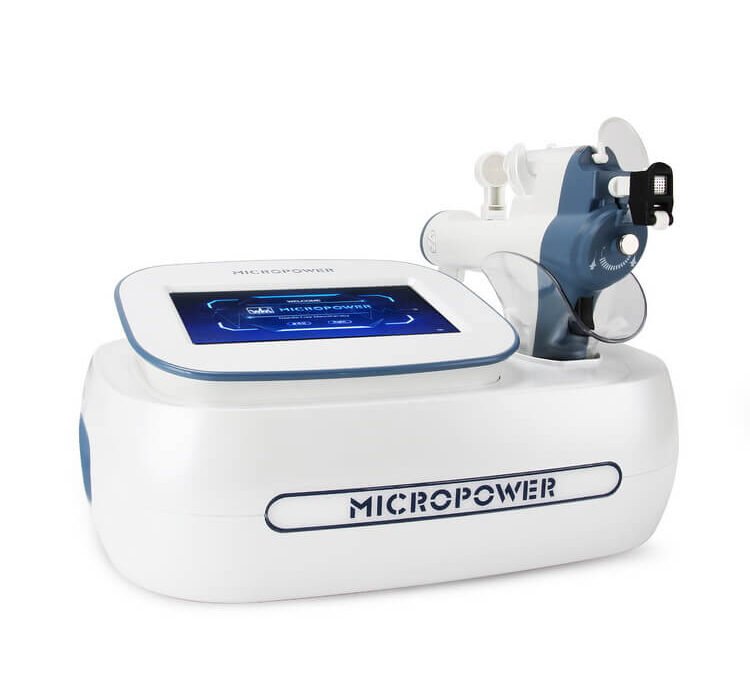
Mesotherapy is a non-surgical cosmetic treatment that has gained popularity for improving skin appearance, reducing localized fat, and promoting healthier, more youthful-looking skin. Originally developed in France in the 1950s, mesotherapy involves injecting a customized blend of vitamins, minerals, amino acids, hyaluronic acid, and other active ingredients directly into the middle layer of the skin, known as the mesoderm. Because the treatment is minimally invasive, many people choose mesotherapy as an alternative to surgery for facial rejuvenation and body contouring.
One of the biggest advantages of mesotherapy is its versatility. Depending on the patient’s needs, practitioners can customize the injection formula to target specific concerns such as dull skin, fine lines, wrinkles, cellulite, hair loss, or stubborn fat deposits. This personalized approach makes mesotherapy suitable for a wide range of aesthetic goals.
For facial treatments, mesotherapy is commonly used to hydrate the skin, improve elasticity, and brighten the complexion. The injected nutrients stimulate collagen and elastin production, helping the skin appear firmer and smoother over time. Many patients notice improved skin texture and a healthy glow after several treatment sessions. Since the procedure requires little downtime, it is often referred to as a “lunchtime treatment.”
Mesotherapy is also used to address hair thinning and hair loss. By delivering vitamins, peptides, and growth-supporting ingredients directly into the scalp, the treatment may improve blood circulation around hair follicles and encourage healthier hair growth. While results vary from person to person, mesotherapy can be an option for individuals experiencing early-stage hair thinning when combined with other recommended treatments.
Another common application is body contouring. Mesotherapy injections may help reduce small pockets of stubborn fat that are resistant to diet and exercise. Areas such as the abdomen, thighs, arms, and chin are frequently treated. However, it’s important to understand that mesotherapy is not a weight-loss solution. Instead, it is designed for body sculpting and improving the appearance of localized fat deposits.
A typical mesotherapy session usually lasts between 20 and 45 minutes, depending on the treatment area. Before the procedure begins, the practitioner may apply a numbing cream to minimize discomfort. Multiple tiny injections are then administered using very fine needles. Most people experience only mild redness, swelling, or slight bruising, which generally resolves within a few days.
The number of sessions required depends on the individual’s goals and the condition being treated. Many providers recommend a series of three to six sessions spaced several weeks apart, followed by maintenance treatments if necessary. Results are gradual, making improvements appear natural rather than dramatic.
Although mesotherapy is generally considered safe when performed by a qualified and experienced medical professional, there are potential risks. Temporary side effects can include redness, swelling, bruising, tenderness, itching, and mild discomfort. In rare cases, infection, allergic reactions, or uneven results may occur if the procedure is performed improperly. Choosing a licensed and experienced provider significantly reduces these risks.
Not everyone is an ideal candidate for mesotherapy. Pregnant or breastfeeding individuals, people with certain medical conditions, active skin infections, or allergies to treatment ingredients should consult their healthcare provider before considering the procedure. A thorough consultation is essential to determine whether mesotherapy is appropriate for your needs.
In conclusion, mesotherapy offers a flexible, minimally invasive solution for individuals seeking healthier skin, improved facial rejuvenation, hair restoration support, or subtle body contouring without surgery. While it is not a miracle treatment, realistic expectations and professional care can help patients achieve noticeable improvements with minimal downtime. Consulting a qualified aesthetic practitioner is the best way to determine whether mesotherapy aligns with your cosmetic goals.