
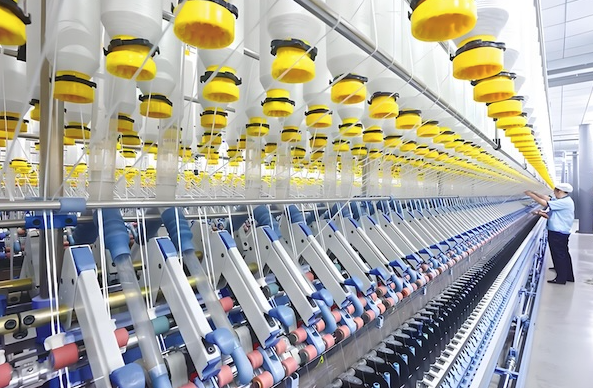
The textile industry stands at a pivotal moment in its environmental journey, with eco-friendly yarns emerging as the cornerstone of sustainable fashion and functional textiles. As consumers become increasingly conscious of their environmental footprint, manufacturers are responding with innovative solutions that balance performance with planetary responsibility. The evolution of eco-friendly yarns represents not just a trend, but a fundamental shift in how we approach textile production in the 21st century.
Recycled polyester yarns have revolutionized the industry by transforming waste into valuable resources. These yarns are typically derived from post-consumer plastic bottles, which are cleaned, shredded, and reprocessed into polymer chips before being extruded into new fibers. This closed-loop system significantly reduces energy consumption—up to 50% less compared to virgin polyester production—while diverting millions of plastic bottles from landfills and oceans each year. The resulting yarns maintain the durability and versatility of traditional polyester while offering a compelling sustainability story that resonates with environmentally conscious consumers.
Dope-dyeing technology represents another breakthrough in eco-friendly yarn production. Unlike conventional dyeing methods that consume vast amounts of water and energy, dope-dyeing introduces color pigments during the polymer extrusion process itself. This innovative approach eliminates the need for water-intensive dyeing baths, reduces chemical usage by approximately 80%, and cuts energy consumption by nearly 65%. The color becomes an integral part of the fiber, resulting in superior colorfastness that withstands repeated washing and exposure to sunlight, making it ideal for everything from activewear to home textiles.
The elimination of antimony from polyester production addresses growing health and environmental concerns associated with this traditional catalyst. Antimony-free yarns utilize alternative, safer catalyst systems that maintain performance standards while reducing toxic emissions during manufacturing. This shift reflects the industry’s commitment to cleaner production methods that protect both worker health and ecosystem integrity, demonstrating how technical innovation can align with environmental responsibility.
Biodegradable polyester yarns represent perhaps the most exciting frontier in sustainable textiles. These advanced fibers are engineered to decompose under specific conditions, such as those found in industrial composting facilities, without leaving behind harmful microplastics. By incorporating biodegradable polymers into their structure, these yarns offer the performance characteristics of conventional polyester—the strength, moisture-wicking properties, and durability—while addressing the critical issue of textile waste at the end of product life. This innovation opens new possibilities for applications where permanent synthetic fibers would traditionally be used.
Performance enhancements in eco-friendly yarns ensure that sustainability never comes at the cost of functionality. Modern eco-yarns can be engineered with moisture-wicking properties, UV protection, antimicrobial treatments, and enhanced breathability—all while maintaining their environmental credentials. These performance attributes make them suitable for demanding applications in sportswear, outdoor apparel, and technical textiles, proving that sustainable materials can compete with—and often surpass—their conventional counterparts.
The adoption of eco-friendly yarns represents more than just an environmental choice; it’s a business imperative for forward-thinking textile manufacturers. Brands that embrace these sustainable alternatives position themselves favorably in a market where consumers increasingly vote with their wallets for products that align with their values. The transparency of recycled content, reduced water usage, and safer production methods provides compelling narratives that resonate across supply chains and end consumers alike.
As we look to the future of textiles, eco-friendly yarns will continue to evolve, incorporating new technologies and sustainable practices. The convergence of environmental responsibility and high performance in these innovative fibers signals a new era in textile manufacturing—one where sustainability and functionality are not competing priorities but complementary elements of design excellence. For manufacturers, designers, and consumers alike, the message is clear: the future of textiles is not just woven from threads, but from conscious choices that shape a more sustainable world.